Monolid
Defined by a crease being absent. Absence of a visible line is not evidence of absence of a crease.
This eye shape detector measures the height of your eye opening against its width, in your browser, and shows you where that lands among 43 measured faces. It does not label you almond or round, because we checked whether those labels hold up and they do not.
Front-facing photo, even light, hair off the forehead
Your own ratio and its place in the distribution replace this diagram once a photo is measured.
Start here, because it is the part other eye shape tools skip. Hooded, monolid and deep-set eyes are defined by the eyelid crease and by depth. A crease is a fold, and depth is distance from the camera. A single straight-on photograph carries neither reliably. What it carries is a shadow, and a shadow is produced just as readily by a low window, a downward gaze or a line of eyeliner as by an actual fold.
So this page does not report them. Not with a confidence score, not with a hedge, not at all. Tools that hand you "hooded" from a front photo are describing your lighting with the vocabulary of your anatomy, and the two are indistinguishable in that image. The mesh this page uses has no crease landmark, which is the same fact stated in code: there is nothing there to measure.
Defined by a crease being absent. Absence of a visible line is not evidence of absence of a crease.
Defined by a fold descending over the crease. Depth, read as a shadow from the front.
Defined by how far back the eye sits under the brow. Pure depth, and a flat image has none.
Here is every face we measured, as one dot each. Look for the gap that would justify a boundary. There isn't one, anywhere.
Each grey dot is one of 43 AI-generated faces measured with this tool. There is no gap anywhere along it, which is the reason this page reports a position instead of a name. The pale band around your marker is your own measurement uncertainty.
This eye shape detector measures one thing a front photo can actually support: the height of your eye opening divided by its width, after correcting for head angle. It then tells you where that number sits among the faces we measured. What it will not do is hand you a label like narrow, almond or round, because we checked whether those labels survive contact with data and they do not. Most of the names people use for eye shapes describe the eyelid crease rather than the opening, and the crease is exactly what a straight-on photograph cannot resolve. So you get a measurement and a position, and an honest account of what is missing.
Because we measured the distribution and there is nothing there to cut. Across 43 faces the eye opening ratio runs from 0.22 to 0.41 in an unbroken continuum: the largest space between any two adjacent faces is 0.02, which is smaller than the measurement error on a single reading. That error is the decisive part. The per-face uncertainty is about 0.03, while the entire spread between faces is only 0.05. When we applied the three-bucket cut points this site used to ship, 67 percent of faces changed their label under one standard error. A label that flips for two faces in three is not describing the face.
The commonly listed types are almond, round, monolid, hooded, upturned, downturned, deep-set, protruding, close-set and wide-set. They are not one kind of thing, which is the part nobody says. Upturned and downturned describe the angle between the eye corners. Close-set and wide-set describe spacing between the eyes. Almond and round loosely describe the opening. Monolid, hooded and deep-set describe the eyelid and the bone around it. Those last three are the ones people most want identified and the ones a frontal photograph is least able to establish, because they are defined by a crease and a depth rather than by an outline.
Not reliably from the front, and this tool refuses to guess. A hooded eye is defined by a brow-side fold of skin that descends over the crease; a monolid is defined by the crease being absent or not visible. Both are statements about a fold, and a fold is a depth feature. From straight on, a shadow, a low camera angle, eye makeup along the lash line, or simply looking slightly downward all reproduce the appearance of a fold that is not there, and a bright even light can erase one that is. Tools that report hooded or monolid from a single frontal photo are reading the lighting as much as the lid.
MediaPipe's Face Landmarker places 478 points on your face inside your browser. This page reads eight of them: the two corners of each eye, and the centre of the upper and lower lid on each eye. Head rotation is undone first using the model's own pose matrix. Width is the corner-to-corner distance, height is the lid-to-lid distance, and the ratio is the average of the two eyes. It is averaged deliberately: the median difference between a person's two eyes in our set was 0.007, about a fifth of the measurement error, so reporting them separately would be reporting noise with a side attached.
Neither, and this page will not rank you. A percentile says where a number sits among the faces we measured; it does not say that one end of the distribution is preferable to the other. It is also worth knowing what the population is before reading anything into your position in it. Our reference set is AI-generated images, not photographs of people, so the distribution describes what an image model produces and how precisely this tool can measure it. A percentile against that is useful for understanding your own measurement. It is not a statement about how you compare to human beings.
The usual list mixes four different kinds of claim: the shape of the opening, the angle of the corners, the spacing between the eyes, and the structure of the lid. Only the first three survive a frontal photograph. Sorting them this way is more useful than another chart of ten drawings, because it tells you which answers you can actually get and where to get them.
| Type | What defines it | From a front photo | Why |
|---|---|---|---|
| Almond | A moderate opening with a visible crease and tapered corners. | Partly | The opening is measurable; the crease that completes the definition is not. |
| Round | A tall opening relative to its width, with visible sclera above or below the iris. | Partly | The ratio is measurable, but where it stops being almond is a choice, not a boundary in the data. |
| Monolid | No visible crease in the upper lid. | Not from a front photo | Defined by the absence of a fold. Lighting and gaze angle both create and erase apparent folds. |
| Hooded | A fold of skin descending over the crease from the brow side. | Not from a front photo | A depth feature. From the front a shadow reads the same as a fold. |
| Deep-set | Eyes sitting further back under the brow bone. | Not from a front photo | Pure depth. A frontal image has no reliable depth to read. |
| Protruding | Eyes sitting further forward in the socket. | Not from a front photo | Depth again, and the same objection applies. |
| Upturned | Outer corner sitting above the inner corner. | Measurable from the front | This is canthal tilt, and it has its own page with its own measurement floor. |
| Downturned | Outer corner sitting below the inner corner. | Measurable from the front | The same angle, measured the other way. |
| Close-set | A gap between the eyes narrower than one eye width. | Measurable from the front | A spacing measurement the homepage already reports. |
| Wide-set | A gap between the eyes wider than one eye width. | Measurable from the front | The same spacing measurement. |
Two of the measurable ones already have their own pages, because they are angles rather than shapes. Upturned and downturned are canthal tilt, measured per eye against a published scale. Close-set and wide-set are eye spacing, which the face shape detector reports as part of its proportion set.
This site used to print one of those three words, from cut points at 0.28 and 0.38. Neither number came from anywhere. Before building this page we measured the actual distribution to see whether the boundaries could be derived properly, and the answer was that they could not be derived at all, because there is nothing to derive them from.
The measurement error is the part that settles it. One reading carries an uncertainty of about 0.03, while the whole spread between faces is 0.05. The error on a single person is more than half the width of the entire population. Applying the old cut points to our own set, 67 percent of faces changed label when the reading moved by one standard error. Three buckets a standard error wide would need a range of about 0.19 to be told apart; the observed range is 0.19. It was never going to work.
So the labels are gone from this page and from the homepage result. The number and its position stayed, because those are what the measurement can actually support.
Measured 2026-09-16 by running this same tool over every AI generated face in our set and recording what it returned. Synthetic faces throughout: the distribution describes an image generator and this tool's precision, never a population of people.
Each card is an AI-generated face run through the same code as the tool above. Sort them and watch what happens: the numbers slide continuously from one card to the next, with no point where the set naturally divides. That is the argument of this page, shown rather than asserted.
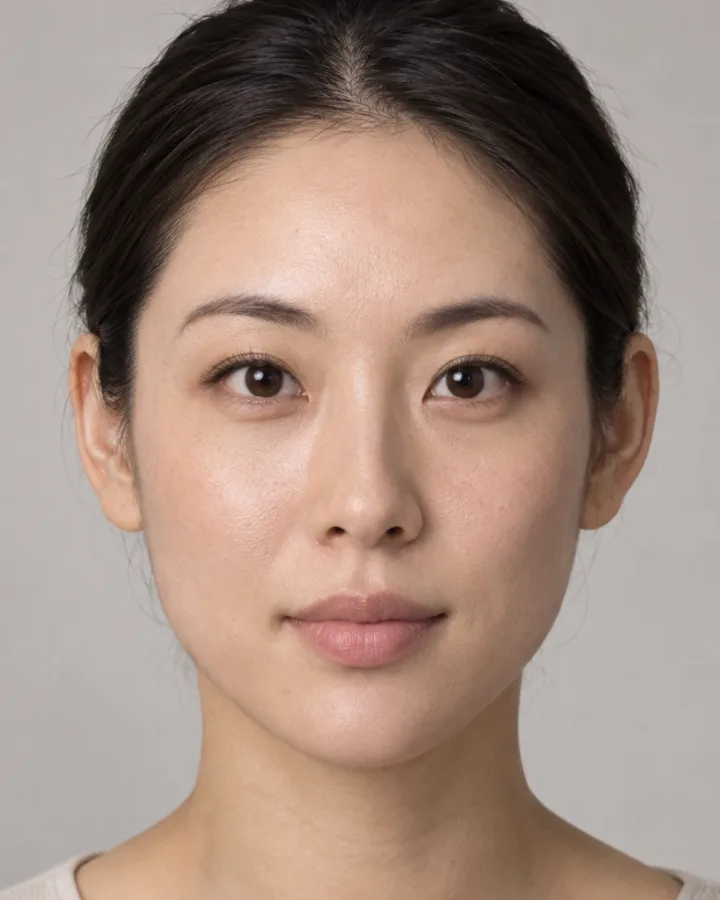
0.409
p98 of the set
No eye type is inferred from this.
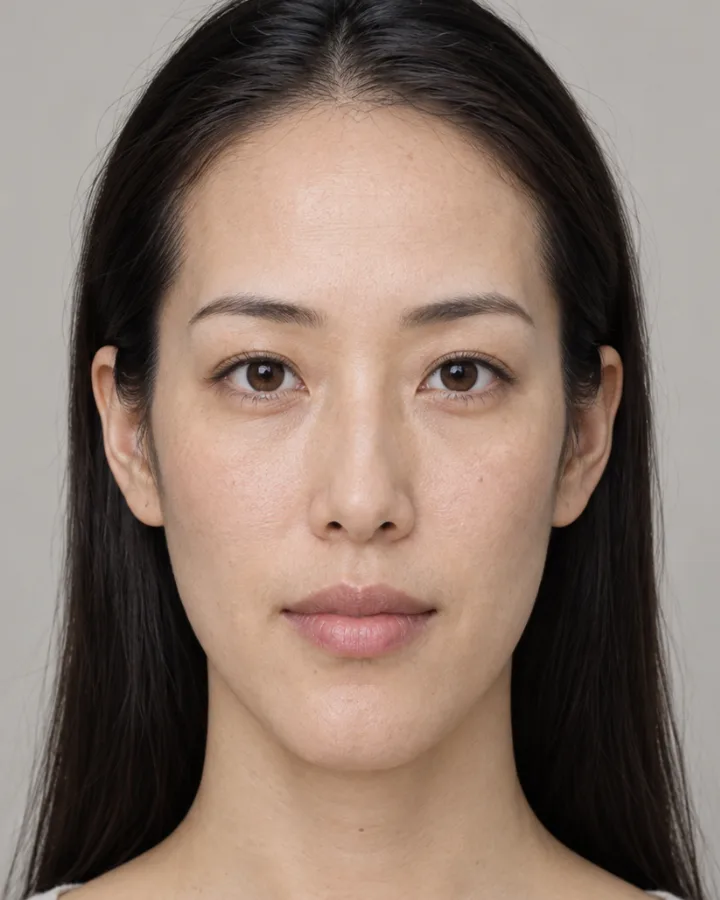
0.385
p86 of the set
No eye type is inferred from this.
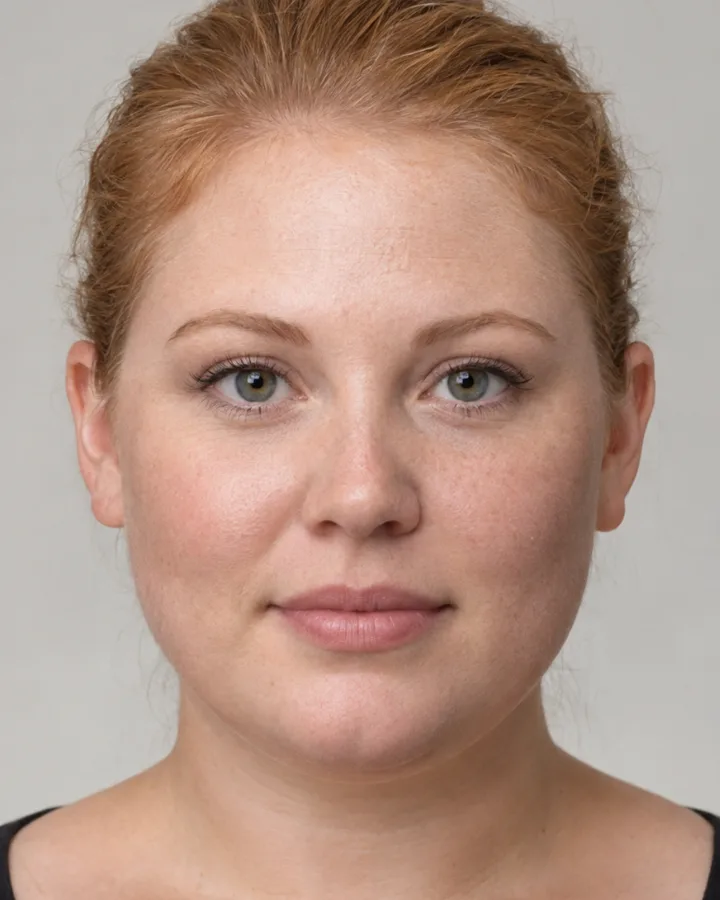
0.382
p86 of the set
No eye type is inferred from this.
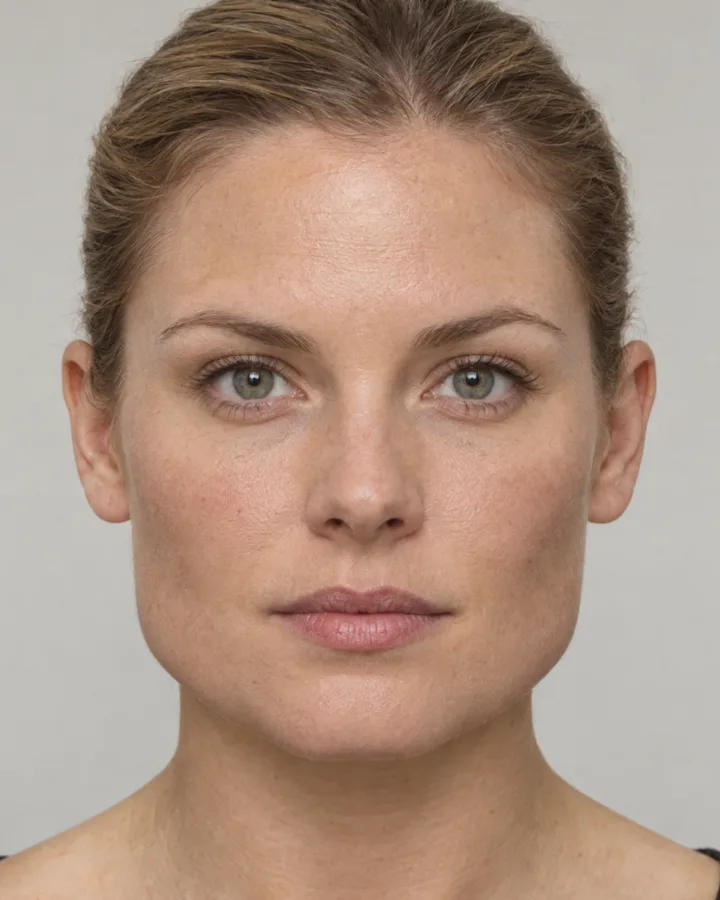
0.370
p77 of the set
No eye type is inferred from this.
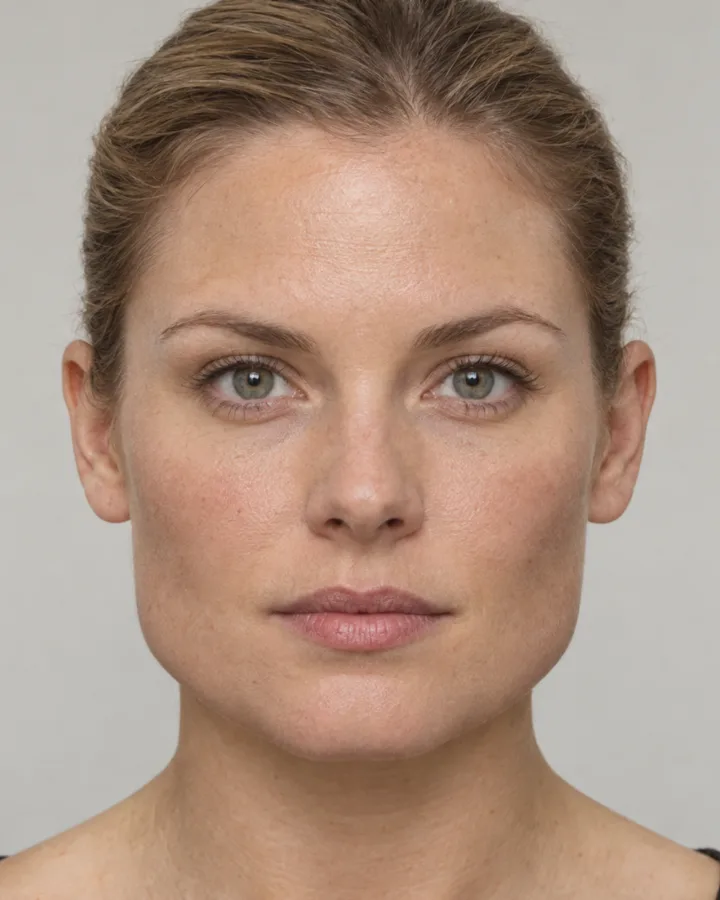
0.370
p77 of the set
No eye type is inferred from this.
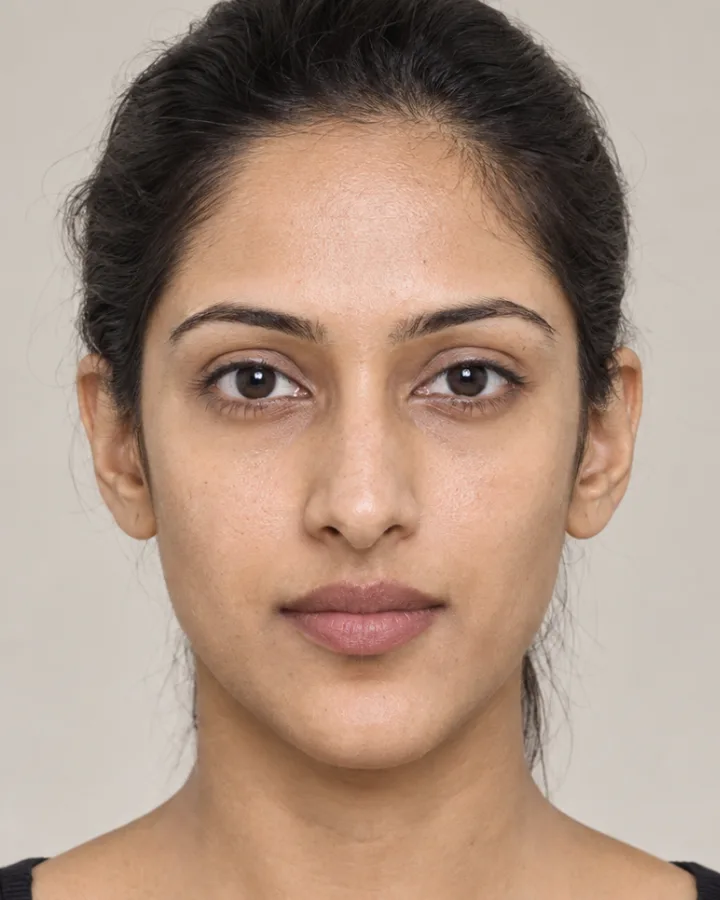
0.356
p60 of the set
No eye type is inferred from this.
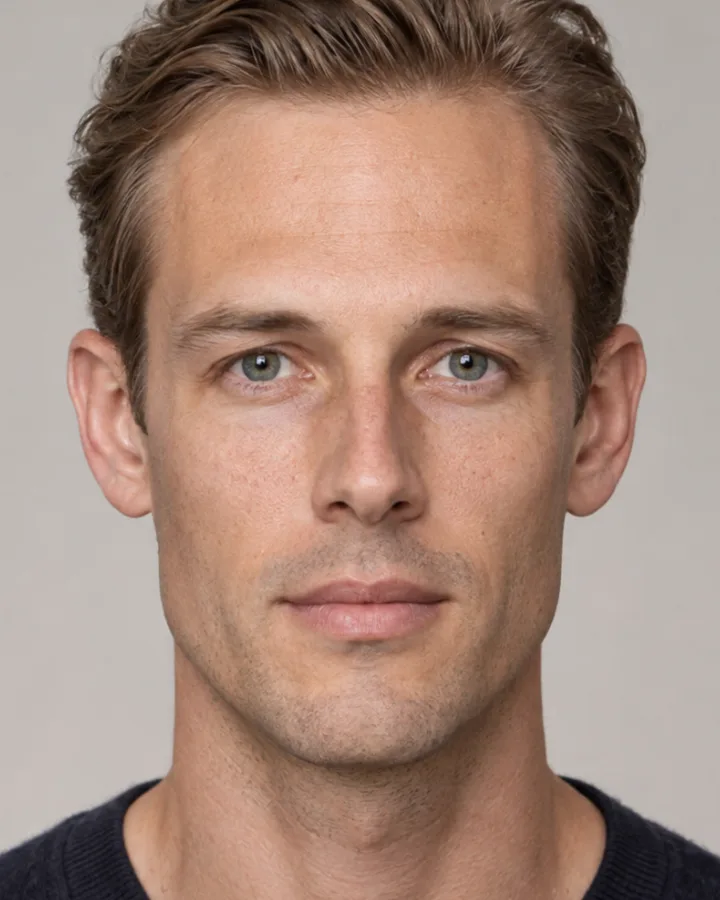
0.348
p56 of the set
No eye type is inferred from this.
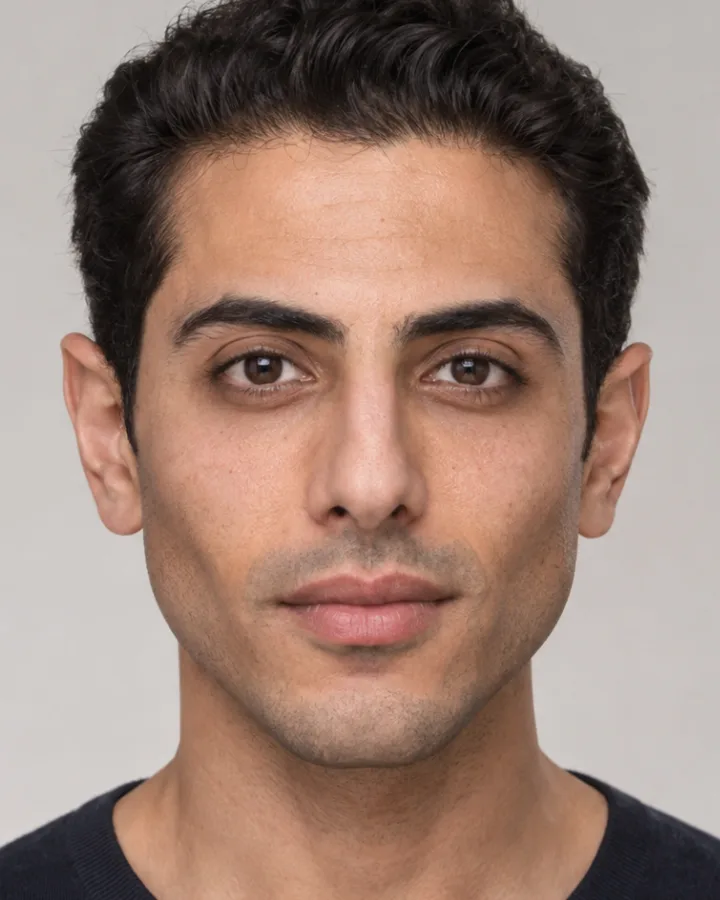
0.335
p47 of the set
No eye type is inferred from this.
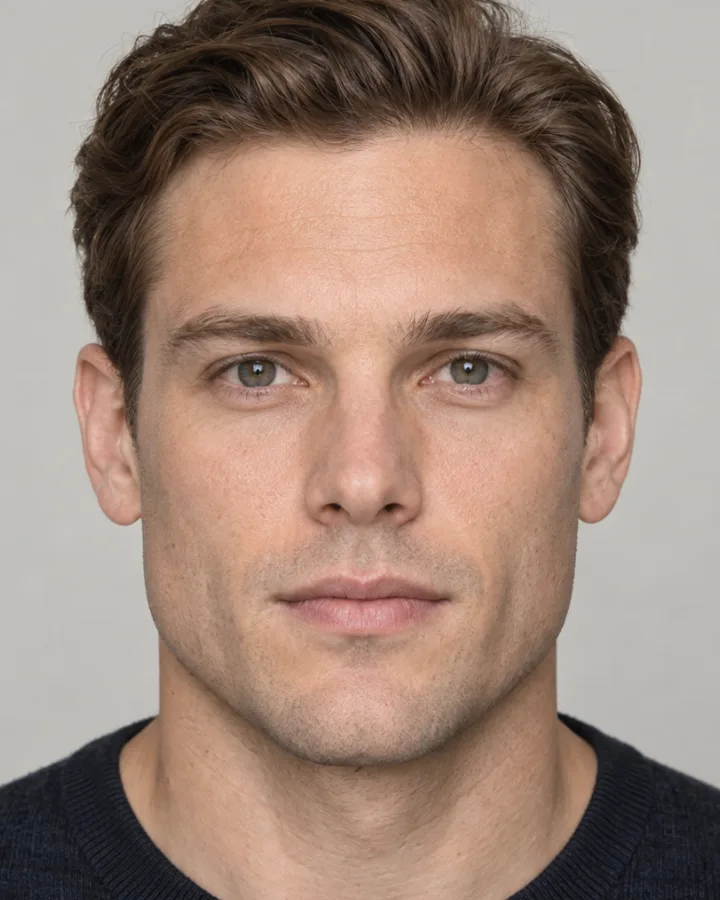
0.319
p42 of the set
No eye type is inferred from this.
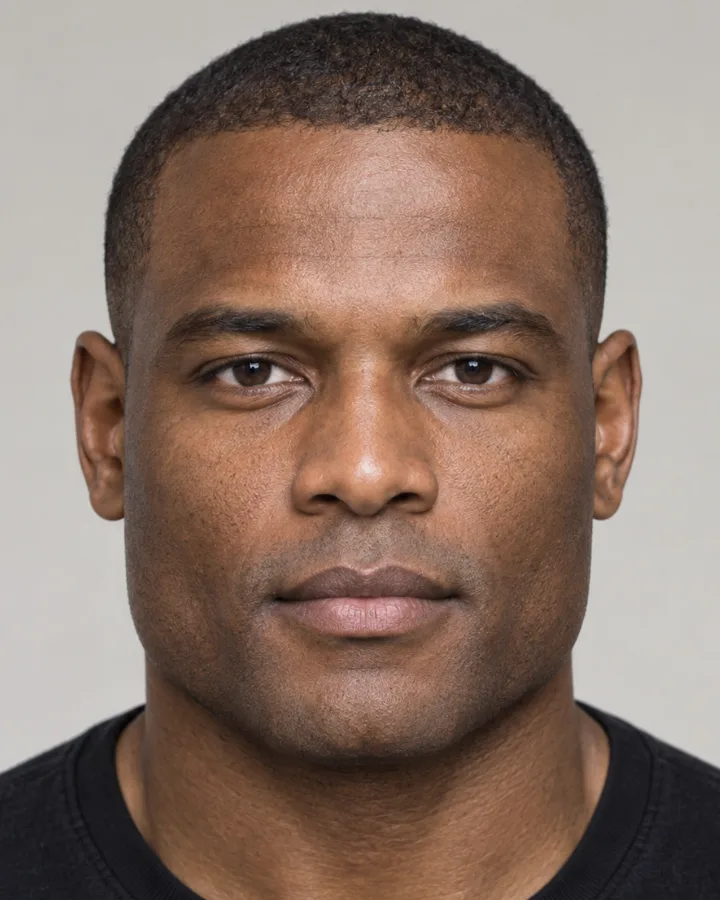
0.283
p28 of the set
No eye type is inferred from this.
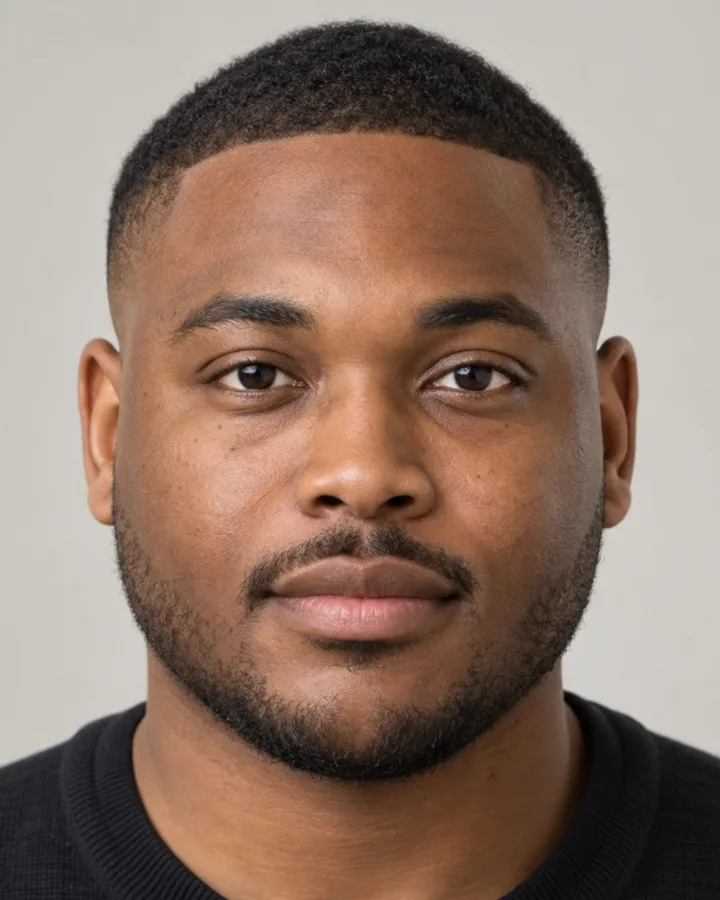
0.277
p26 of the set
No eye type is inferred from this.